Considerations for Drilling a Well on a Homestead
October 17, 2017
Buying and creating a sustainable homestead is becoming an increasingly popular option for many people. However, the issue with some larger plots of land is the need for a well. This is due to the location of most plots of land used for homesteading.
These are older farms or large lots of land that contain several dozen or more acres, and they are typically situated well-outside of town. If this describes your situation, here are some things to consider before well drilling
starts.
Drilling Method
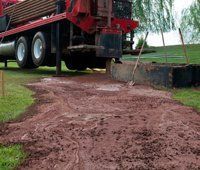
When you decide to schedule well-drilling services, you'll have to decide on which drilling method to use. There are two main types of drilling methods. The first is cable drilling and the second is rotary drilling, and there are a few things to know about these methods. The cable drilling method uses a pounder that is attached to a cable. The cable is then raised and dropped - dropping the pounder and breaking up the ground underneath.
A rotary drilling method uses a drill-bit option. This method is the more common method that you will find in well drilling. The rotary drilling option can be faster and can go to deeper depths than the cable drilling may be able to reach. It can also break up more obstacles and debris. The type of land you have will also play into which type of drilling option is used or suggested.
Pump Type
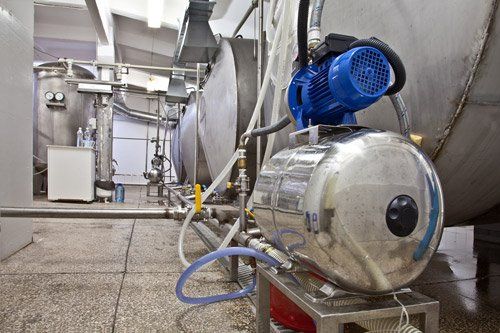
The type of pump that your well will use is something you should understand. There are several types of pumps, and each has its own advantages and disadvantages. Jet pumps will lift water up to 150 feet while a submersible turbine will go up to 400 feet. The type of pump that you choose will greatly depend on the depth of your well, the water pressure that may already exist and the type of filtration you will need.
When you look at the different types of pumps available, you will also be looking at the type of filtration systems
that are available. If you have a large amount of a certain mineral or pollutant in your water, such as lead, you will need filtration devices that remove pollutants without overpowering the pump itself.
Well Quantity
Something that new homesteaders may not consider is how many wells they actually require to meet their property needs. For example, you may think that you need a pump at the house, a pump near a barn, and so on. The truth is, with the right well and pump system, you may not need as many as you think.
Before you step forward and order several well-digging services, consider a consultation with the contractor. They can help you decide how many wells you need, the placement of the wells and other aspects that will create the best options for your homesteading needs and development.
Artesian Wells
Some homesteaders have the option of avoiding pumps if they have access to an artesian well. An artesian well brings pressure naturally, rather than relying on pressure from an installed pump. This can greatly benefit your homestead and your budget because pumps are not necessarily required to use the well. If you aren't sure if you have an artesian well source on the property, consider having your land surveyed.
These are only a few of the considerations to keep in mind. If you aren't sure what kind of well you need, what services you may need or if there are other options that may be available to you then contact
the well experts at Henry Drilling LLC to schedule a consultation and estimate.