A Well Owner's Guide to Water Pump Priming

January 4, 2019

If you turn on the tap at your kitchen sink and no water comes out of the spout, your pump may have lost its prime. Check to ensure your pump's circuit breaker hasn't tripped and caused the well to lose power.

If the pump's breaker isn't tripped, you may need to prime your pump to make the water start flowing again. Prime pumping is simply adding water to the fill valve. Here's what you need to know to prime your pump the right way.

Causes of Pump Losing Prime

Your well pump and intake lines must be full of water for suction to happen. If there's no water in the line, air gaps cause suction to stop. Your well pump begins cycling air instead of water.

Well pumps can lose their prime for several reasons. If your well water level is too low, you may have pulled too much water from the system. There isn't enough water in the well to be drawn up by the pump.

Other causes of well pump prime loss include the following:
  • A leak somewhere in water lines
  • Failure of check valves
  • Air gaps in intake pipes
  • Drawdown from hose or tap left running
During a power outage, household members may drain all of the water out of the plumbing lines. This will also cause the pump to lose its prime.

Shut off Power to the Pump

Water and electricity don't mix. Your well pump operates with high voltage, so shut off the breaker to your pump before adding water to the system. Use insulated tools to remove the fill valve plug from your well pump.

Every pump system has a pressure switch. The switch is covered by a small black or gray box. Most pressure switch boxes are watertight, but you should be especially careful not to spill water on or near your pressure switch box. Cover the pressure switch with plastic if it's located very close to the fill valve, but remove the plastic protection before you restart the pump.

Check the Taps

All of your plumbing system's lines must be shut tight to maintain pressure when priming the pump. If a tap is left open during priming, the water you add to the pump will just flow out of the system.

Since there may be a small amount of water in the pump when you open the fill valve, it may spurt on you or your pressure switch. Before priming the pump, open a tap for a moment to let some of the water out of the lines. Close the tap before you prime the pump.

Use Clean Water

Prime your pump with the cleanest water you can find. In an emergency, you may have to use pond or stream water, but the water may contain sediments that could harm the pump. It's wise to keep a few gallons of clean water on hand strictly for priming purposes.

Purchase water at the store or ask a neighbor for potable water if possible. Use water from your toilet tanks or water heater (let water cool before priming) if they still contain water.

Use a Funnel

Fill valves on pumps are notoriously small. Use a funnel to add water to the pump. Take your time to avoid spilling water on the pressure switch or other electrical components in the well house.

When the water rises to the top of the fill valve, replace the plug and restore power to the pump. If the pump still doesn't produce enough water pressure, turn off the power and repeat the process. It may take several priming attempts before the lines contain enough water to develop suction.

When there's a leak in your pipes or other problems in your system, priming won't restore your water flow. Hire a well-pump repair specialist to help you get your pump running again.

If you can't restore the prime to your well pump , contact Henry Plumbing LLC today and schedule an inspection of your pump and pipes. We have 70 years of experience servicing water pumps and wells.

July 8, 2019
Many homes require water filtration, but you may have trouble deciding between the different filters. Read on to make your decision easier.
June 11, 2019
Storing water beneath your property for when you need it most can be crucial. Here are four reasons to tap into your underground water storage tanks.
May 7, 2019
If you have an old and unkempt pond on your property, you can take steps to restore it back to life. Follow the steps on this blog.
April 9, 2019
Whether you've recently bought a home that's on well water or you had a well drilled on your property, learn three pump problems you should know.
March 7, 2019
If you're considering buying a home with a well and have no experience with well water, you have a few things to learn. Read this post for some advice.

February 14, 2019
Concern over water usage can affect your landscaping abilities. A groundwater well or underground storage tank may be the solution. Learn why.
December 5, 2018
Do you need a more optimal water source for your livestock? Learn some important reasons to consider drilling a water well to fulfill your needs.
November 14, 2018
If you own a small homestead that you intend to keep off the grid, you’ll want to consider adding a pond to your property. Keep reading to learn why.
October 18, 2018
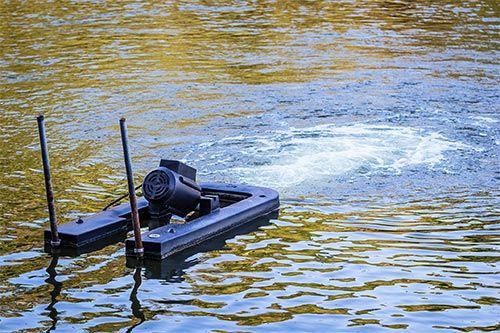
Pond aeration creates circulation in order to balance the ecosystem of the pond. Learn about the many proven benefits of pond aeration.
September 20, 2018
This article takes a closer look at three of the most common methods for treating hydrogen sulfide contamination in well water. Keep reading to learn more.